July 20, 2026
Obtaining a work visa can be a complicated process involving strict requirements, detailed documentation, and changing immigration rules. Immigration lawyers help employers and employees understand these requirements, avoid common mistakes, and improve the chances of a successful application.
According to Pew Research Center, 51.9 million immigrants lived in the United States as of June 2025, making up 15.4% of the nation’s population. As more people pursue international employment opportunities, professional guidance has become increasingly valuable throughout the immigration process.
Understanding the Work Visa Process
Types of Work Visas and Eligibility
Work visas are available in several categories, each designed for different employment situations. Examples include the H-1B visa for specialty occupations, the L-1 visa for company transfers, and other employment-based options that have specific eligibility rules.
Immigration lawyers evaluate an applicant’s background, job position, employer needs, and long-term goals to determine the most suitable visa option. This assessment helps prevent applications from being submitted under categories that may not match the applicant’s qualifications.
Reviewing Requirements and Deadlines
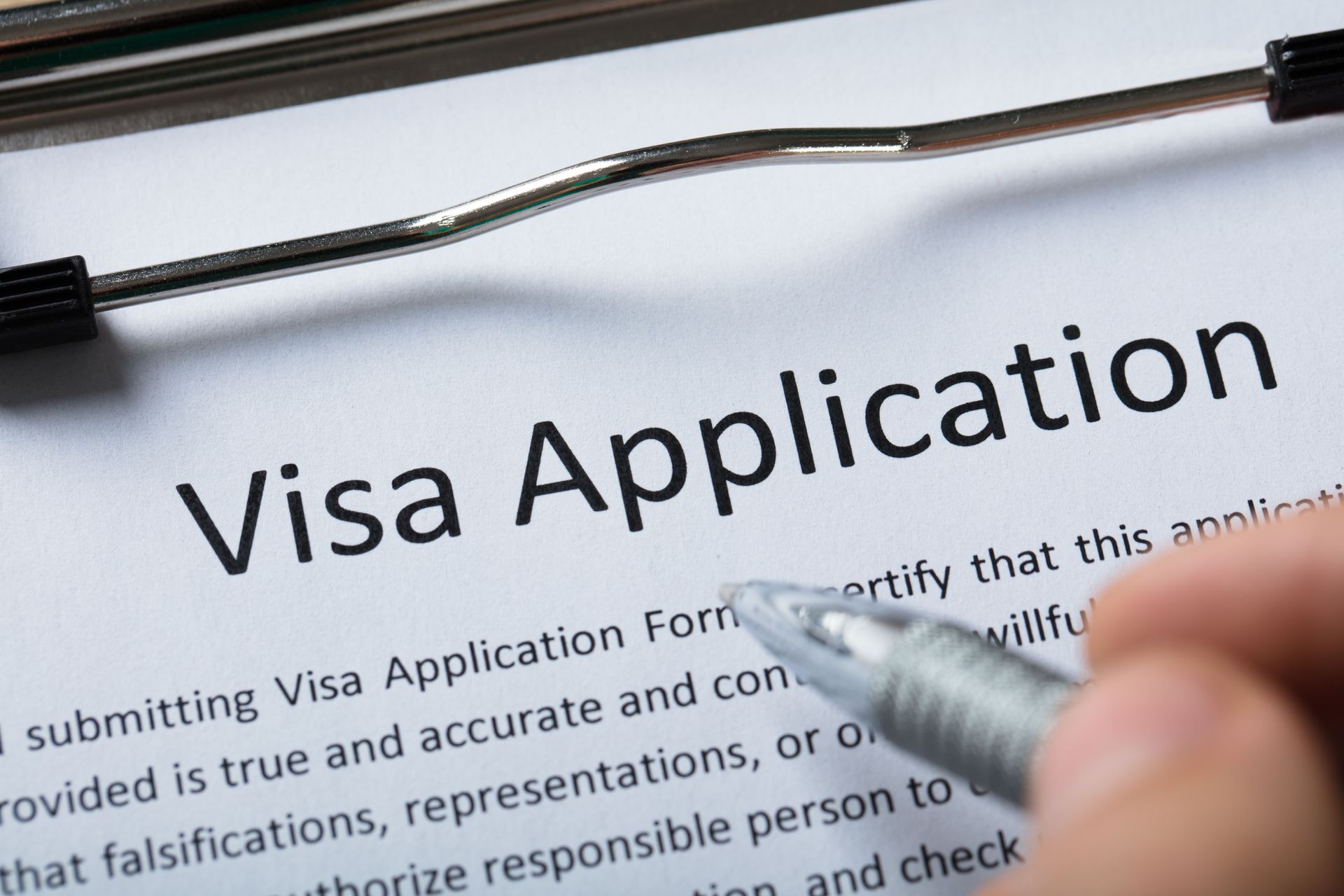
Every work visa application requires accurate forms, supporting documents, and compliance with government deadlines. Missing information or submitting incorrect materials can result in delays, additional requests, or possible denial.
Immigration lawyers help organize application materials and ensure that submissions meet current legal standards. Their attention to deadlines and filing procedures allows applicants and employers to approach the process with greater confidence.
Employer and Employee Responsibilities
Both employers and employees have important responsibilities during the work visa process. Employers may need to demonstrate a legitimate business need, while employees must prove their qualifications and follow the conditions of their visa status.
Immigration lawyers explain these obligations and help both parties maintain compliance. This guidance reduces the risk of legal problems that could affect employment, visa status, or future immigration opportunities.
Pre-Application Guidance and Planning
Evaluating Goals and Visa Options
A strong application begins with understanding the applicant’s personal and professional objectives. Some individuals may only need temporary work authorization, while others may want to pursue permanent residency in the future.
Immigration lawyers create strategies based on each client’s circumstances and identify possible pathways that support long-term goals. This planning allows applicants to make informed decisions before investing time and resources into the process.
Preparing Documentation and Evidence
Documentation is one of the most important parts of any work visa application. Applicants often need employment records, educational credentials, identification documents, and evidence that supports their eligibility.
Immigration lawyers review these materials carefully to identify missing information or potential concerns. Proper preparation creates a stronger application package and reduces the likelihood of problems caused by incomplete documentation.
Anticipating Potential Challenges
Work visa applications can face challenges related to eligibility, processing delays, policy changes, or requests for additional information. Preparing for these issues early can help applicants respond more effectively if complications arise.
Experienced immigration lawyers analyze possible risks and develop solutions before problems occur. Their guidance helps clients remain prepared throughout each stage of the visa process.
Application Assistance and Submission
Building a Complete Application Package
A well-organized application package presents information clearly and supports the applicant’s eligibility. Every form, document, and piece of evidence must be accurate and consistent with immigration requirements.
Immigration lawyers assist with reviewing and organizing application materials to create a complete submission. Their experience helps identify details that applicants may overlook when preparing documents independently.
Ensuring Legal Compliance
Immigration rules and procedures can be difficult to interpret without legal experience. Small errors in forms or supporting evidence may create unnecessary obstacles during the review process.
Immigration lawyers help ensure applications follow current regulations and submission requirements. This compliance-focused approach supports a smoother review process and reduces avoidable mistakes.
Communicating with Immigration Authorities
During the evaluation period, immigration authorities may request clarification or additional evidence. Responding properly and within required timeframes is essential for keeping applications moving forward.
Immigration lawyers communicate with government agencies when necessary and help prepare accurate responses. Their involvement ensures that applicants address concerns clearly and protect their legal interests.
Handling Problems During the Visa Process
Responding to Requests for More Information
Requests for additional information are common in immigration cases and require careful attention. A weak or incomplete response can delay processing or negatively affect the outcome.
Immigration lawyers review these requests, identify what is needed, and help prepare thorough responses. This support allows applicants to provide relevant information while avoiding unnecessary complications.
Preparing for Interviews
Some work visa applicants may need to attend interviews as part of the approval process. Preparation is important because applicants must answer questions clearly and consistently with their submitted documents.
Immigration lawyers help clients understand what to expect and practice responding to common questions. This preparation improves confidence and helps applicants present their qualifications effectively.
Handling Denials and Appeals
A denied application does not always mean the immigration process must end. Reviewing the reasons for denial can reveal whether additional evidence, corrections, or legal arguments may support another attempt.
Immigration lawyers analyze denial decisions and determine possible options for appeal or reconsideration. Their knowledge of immigration procedures helps clients understand available remedies and next steps.
Post-Approval Support and Compliance
Maintaining Legal Status
Receiving a work visa is only the beginning of an individual’s immigration responsibilities. Visa holders must continue meeting employment requirements and follow the conditions associated with their status.
Immigration lawyers provide ongoing guidance to help workers and employers remain compliant. This support can prevent issues that may affect future renewals, extensions, or immigration benefits.
Visa Renewals and Extensions
Many work visas have expiration dates and require timely renewal applications. Preparing early is important because delays can interrupt employment authorization and create legal concerns.
Immigration lawyers assist with renewal strategies, updated documentation, and changing requirements. Their support helps workers maintain lawful status while continuing their careers.
Family and Permanent Residency Options
Some work visa holders eventually seek opportunities for family sponsorship or permanent residency. Understanding available pathways requires careful planning and knowledge of immigration rules.
Immigration lawyers help clients explore employment-based residency options and related immigration benefits. This guidance allows individuals to align their current visa status with future goals.
Legal Advocacy and Long-Term Support
Protecting Client Rights
Immigration matters can sometimes involve disputes, workplace concerns, or complex legal challenges. Professional representation can help individuals understand their rights and available protections.
Immigration lawyers advocate for clients by reviewing legal issues, preparing arguments, and representing their interests when necessary. Their involvement provides valuable support in difficult situations.
Keeping Up With Policy Changes
Immigration policies frequently change, affecting eligibility requirements, processing procedures, and application strategies. Staying informed is essential for anyone on a work visa.
Immigration lawyers monitor legal developments and explain how changes may affect their clients. This ongoing guidance helps applicants and employers adjust their plans when regulations evolve.
Building a Long-Term Legal Partnership
Immigration needs can continue beyond a single visa application. Many individuals benefit from having a trusted legal resource available for future questions, renewals, and immigration planning.
By working with immigration lawyers throughout different stages of the process, clients receive consistent guidance tailored to their changing circumstances. Long-term legal support can make navigating immigration requirements more manageable and predictable.
Work visa applications involve many legal requirements, deadlines, and decisions that can affect an individual’s career and future opportunities. Professional assistance helps applicants and employers approach the process with greater accuracy and preparation.
From initial planning to post-approval compliance, immigration lawyers provide valuable services throughout the immigration journey. Their knowledge, advocacy, and strategic guidance can help clients successfully manage the challenges of obtaining and maintaining work authorization. For more information, contact American Immigration Law Center.